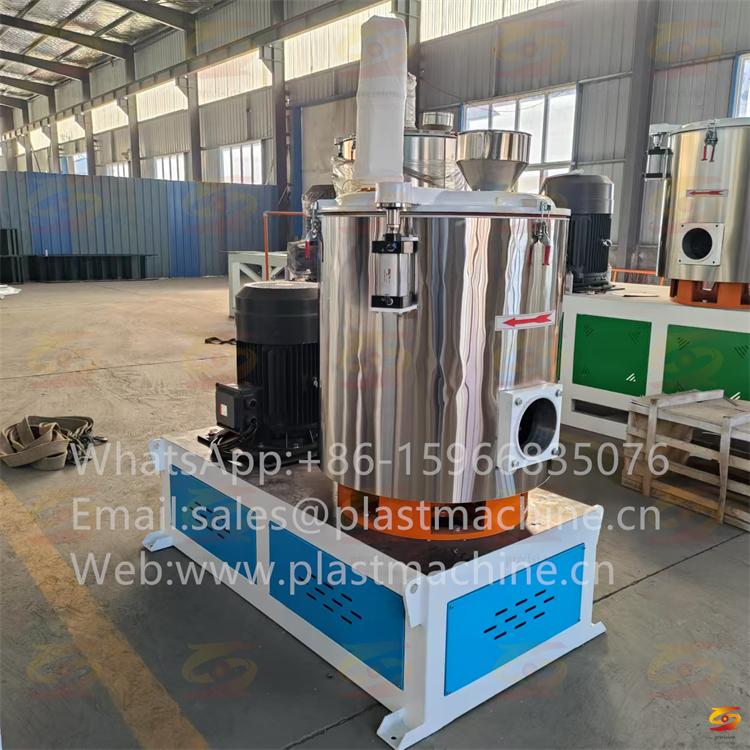
Description
PVC Soft Pipe Single Pot Mixer: A Detailed Introduction
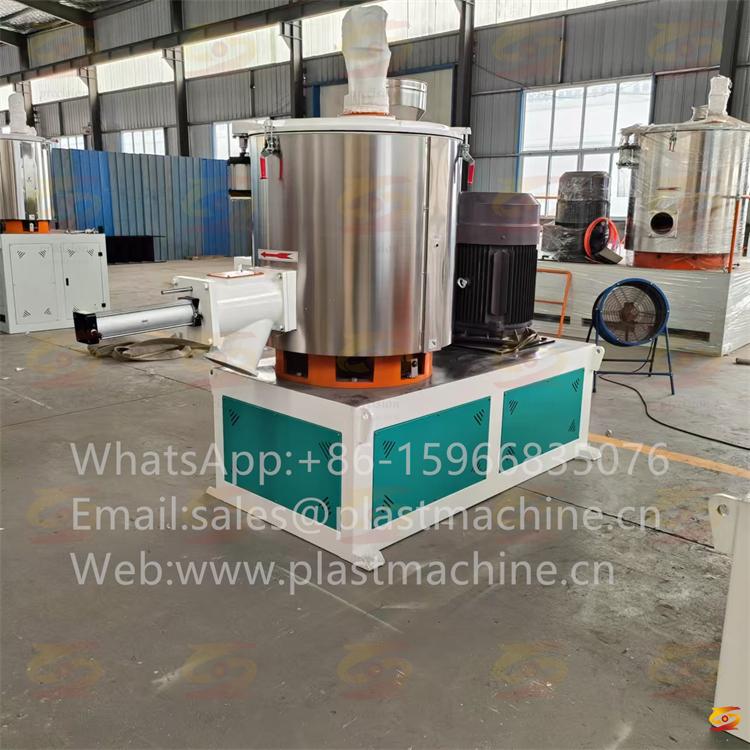
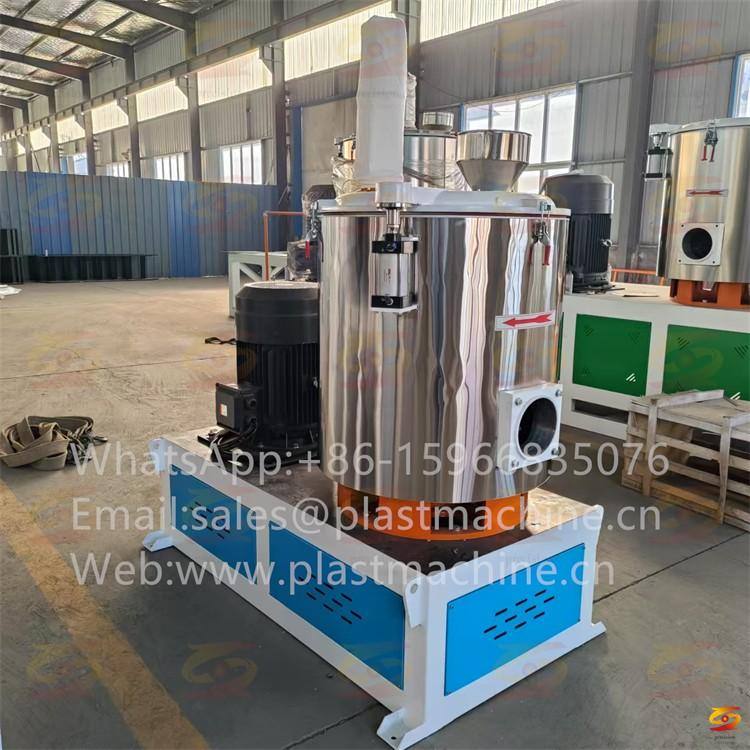
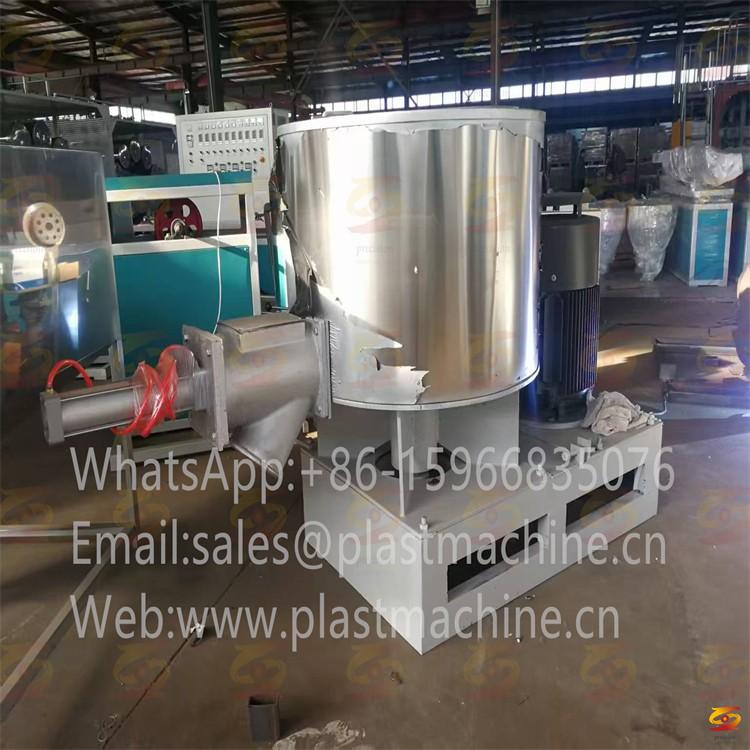
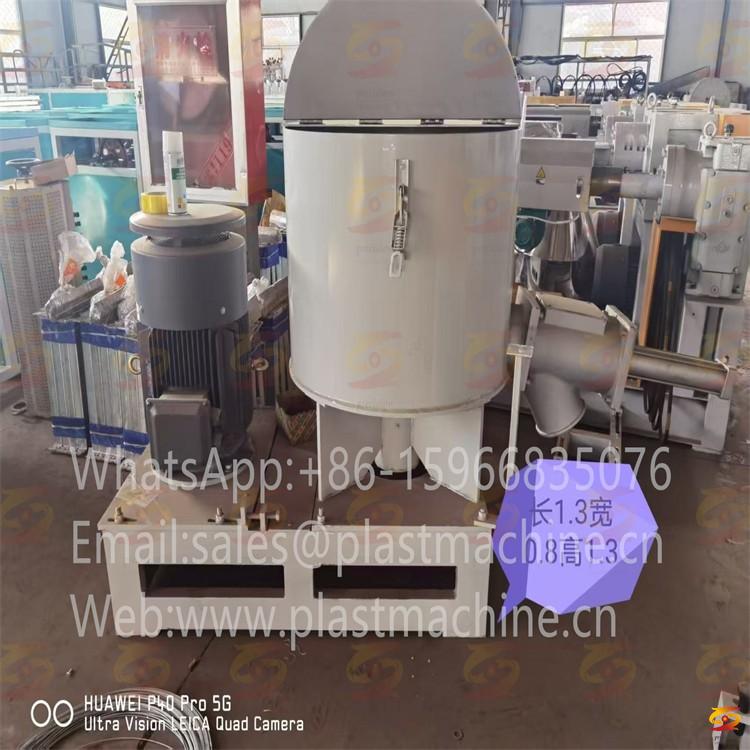
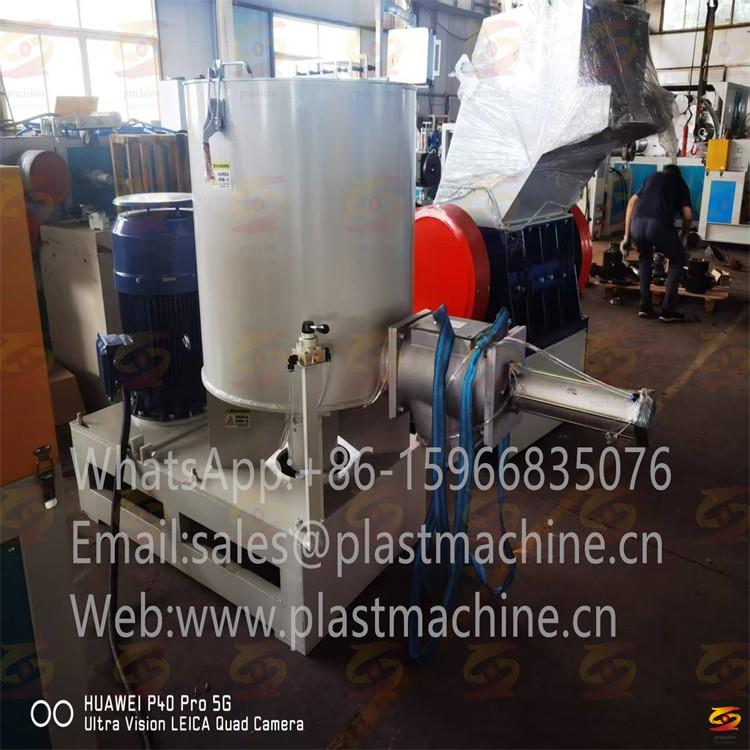
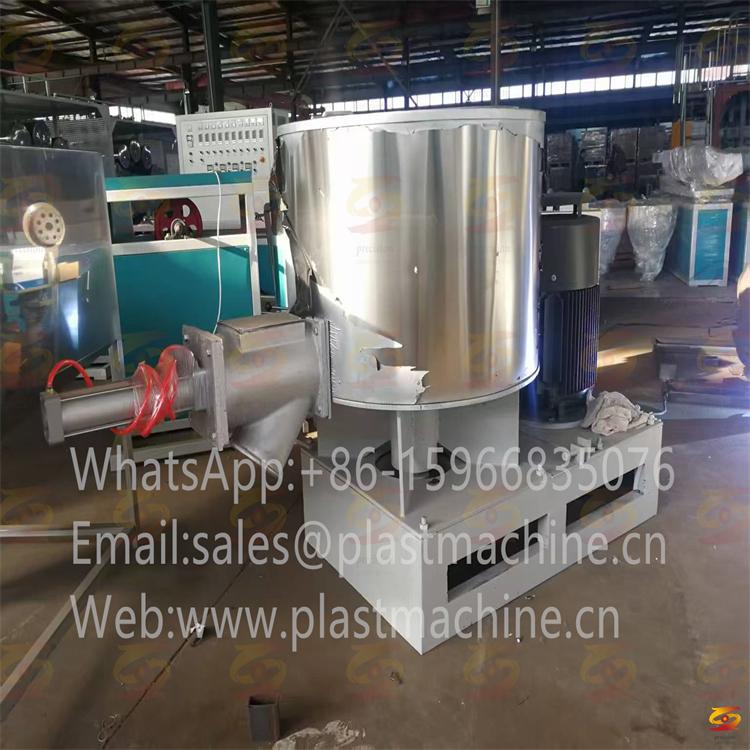
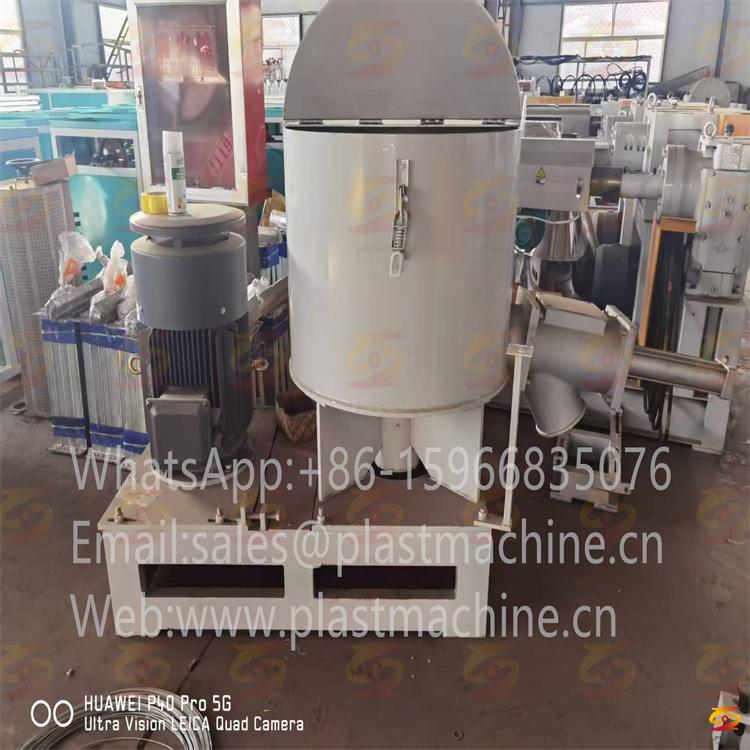
A PVC Soft Pipe Single Pot Mixer is an essential machine in the production of PVC pipes, particularly for mixing PVC resin with other additives like DOP (Dioctyl Phthalate), stabilizers, lubricants, and other plasticizers. This equipment ensures a homogeneous mixture, which is crucial for achieving the desired characteristics of the final PVC product.

1. Function and Purpose:
The primary function of the PVC soft pipe single pot mixer is to mix PVC resin with a variety of materials like DOP, stabilizers, lubricants, and other additives. The uniform mixing of these materials is crucial for ensuring the quality and consistency of the finished PVC product, especially for flexible PVC pipes.
The mixer helps create a homogeneous compound, which will later be used in the extrusion process to produce soft and flexible PVC pipes that meet the required standards.

2. Main Components:
Mixing Pot: The mixing pot is the central chamber where materials are loaded and mixed. It is designed to withstand high temperatures and pressures during the mixing process.
Stirring Mechanism: This includes the blades or paddles that rotate inside the mixing pot to blend the materials efficiently. The blades ensure that the PVC resin and additives are thoroughly combined.
Heating System: The heating system is crucial to ensure the additives like DOP are properly blended with the PVC resin. The system provides precise control over the mixing temperature, which is essential for the viscosity and flow characteristics of the final compound.
Control Panel: The control panel allows operators to set parameters such as temperature, mixing speed, and time, ensuring that the process is closely monitored and optimized for consistency.
3. Process of Mixing:
The mixing process typically follows these steps:
Loading Materials: The PVC resin, along with DOP, stabilizers, lubricants, and other additives, is loaded into the mixing pot.
Heating: The pot is heated to a specific temperature to facilitate the smooth blending of materials.
Mixing: The stirring mechanism is activated to mix the materials uniformly. The speed and time of mixing are crucial for achieving the desired consistency.
Discharge: After mixing is complete, the homogenous PVC compound is discharged from the pot, ready to be fed into the extrusion machine for pipe production.
4. Benefits of Using a Single Pot Mixer for PVC Soft Pipe Production:
Uniform Mixing: Ensures that the PVC resin and additives are mixed to a uniform consistency, which is essential for producing high-quality, consistent PVC pipes.
Temperature Control: The heating system ensures that the materials reach the optimum temperature for mixing, improving the flow and processing of the PVC compound.
Efficiency: Single-pot mixers are designed for high efficiency, reducing the mixing time and improving overall production speed.
Versatility: This type of mixer can be used to mix various additives with PVC resin, allowing for flexibility in the type of PVC product being produced.
5. Applications in PVC Soft Pipe Production:
The PVC soft pipe single pot mixer is primarily used in the following applications:

PVC Soft Pipe Manufacturing: The most common application, where the mixer creates the PVC compound for extrusion into flexible pipes.
Plasticized PVC: The mixer allows for the production of plasticized PVC, which is essential for making soft, flexible pipes used in plumbing, irrigation, and other industries.
Additive Blending: In addition to PVC resin and DOP, the mixer can blend other plasticizers, stabilizers, fillers, and colorants, ensuring the final product has the right mechanical and chemical properties.
6. Key Considerations When Choosing a Mixer:
Capacity: The capacity of the mixer should match the production requirements. Larger mixers are suitable for higher-volume operations.
Temperature Control: A reliable temperature control system is essential to prevent overheating or under-heating of the compound.
Ease of Cleaning: Since different additives are used for various formulations, the mixer should be easy to clean and maintain to avoid cross-contamination between batches.
Energy Efficiency: Energy-efficient mixers will reduce the overall operational cost while maintaining performance.
Conclusion:
A PVC Soft Pipe Single Pot Mixer is an essential machine in the production of PVC pipes, particularly for mixing PVC resin with other additives like DOP (Dioctyl Phthalate), stabilizers, lubricants, and other plasticizers. This equipment ensures a homogeneous mixture, which is crucial for achieving the desired characteristics of the final PVC product.

1. Function and Purpose:
The primary function of the PVC soft pipe single pot mixer is to mix PVC resin with a variety of materials like DOP, stabilizers, lubricants, and other additives. The uniform mixing of these materials is crucial for ensuring the quality and consistency of the finished PVC product, especially for flexible PVC pipes.
The mixer helps create a homogeneous compound, which will later be used in the extrusion process to produce soft and flexible PVC pipes that meet the required standards.

2. Main Components:
Mixing Pot: The mixing pot is the central chamber where materials are loaded and mixed. It is designed to withstand high temperatures and pressures during the mixing process.
Stirring Mechanism: This includes the blades or paddles that rotate inside the mixing pot to blend the materials efficiently. The blades ensure that the PVC resin and additives are thoroughly combined.
Heating System: The heating system is crucial to ensure the additives like DOP are properly blended with the PVC resin. The system provides precise control over the mixing temperature, which is essential for the viscosity and flow characteristics of the final compound.
Control Panel: The control panel allows operators to set parameters such as temperature, mixing speed, and time, ensuring that the process is closely monitored and optimized for consistency.
3. Process of Mixing:
The mixing process typically follows these steps:
Loading Materials: The PVC resin, along with DOP, stabilizers, lubricants, and other additives, is loaded into the mixing pot.
Heating: The pot is heated to a specific temperature to facilitate the smooth blending of materials.
Mixing: The stirring mechanism is activated to mix the materials uniformly. The speed and time of mixing are crucial for achieving the desired consistency.
Discharge: After mixing is complete, the homogenous PVC compound is discharged from the pot, ready to be fed into the extrusion machine for pipe production.
4. Benefits of Using a Single Pot Mixer for PVC Soft Pipe Production:
Uniform Mixing: Ensures that the PVC resin and additives are mixed to a uniform consistency, which is essential for producing high-quality, consistent PVC pipes.
Temperature Control: The heating system ensures that the materials reach the optimum temperature for mixing, improving the flow and processing of the PVC compound.
Efficiency: Single-pot mixers are designed for high efficiency, reducing the mixing time and improving overall production speed.
Versatility: This type of mixer can be used to mix various additives with PVC resin, allowing for flexibility in the type of PVC product being produced.
5. Applications in PVC Soft Pipe Production:
The PVC soft pipe single pot mixer is primarily used in the following applications:

PVC Soft Pipe Manufacturing: The most common application, where the mixer creates the PVC compound for extrusion into flexible pipes.
Plasticized PVC: The mixer allows for the production of plasticized PVC, which is essential for making soft, flexible pipes used in plumbing, irrigation, and other industries.
Additive Blending: In addition to PVC resin and DOP, the mixer can blend other plasticizers, stabilizers, fillers, and colorants, ensuring the final product has the right mechanical and chemical properties.
6. Key Considerations When Choosing a Mixer:
Capacity: The capacity of the mixer should match the production requirements. Larger mixers are suitable for higher-volume operations.
Temperature Control: A reliable temperature control system is essential to prevent overheating or under-heating of the compound.
Ease of Cleaning: Since different additives are used for various formulations, the mixer should be easy to clean and maintain to avoid cross-contamination between batches.
Energy Efficiency: Energy-efficient mixers will reduce the overall operational cost while maintaining performance.
Conclusion:
The PVC Soft Pipe Single Pot Mixer is a critical piece of equipment in the production of PVC soft pipes. By thoroughly mixing PVC resin with additives like DOP, stabilizers, and lubricants, the mixer ensures that the final product is of consistent quality and meets the desired physical properties. Proper mixing leads to better processing and performance in subsequent production stages, ultimately resulting in high-quality PVC pipes for various applications.