PP Hollow Formwork: A Complete Guide to Plastic Formwork in Modern Construction
PP Hollow Formwork: A Complete Guide to Plastic Formwork in Modern ConstructionIntroduction
In today’s construction industry, efficiency, sustainability, and cost control are more important than ever. One innovative solution gaining global attention is PP hollow formwork, also known as polypropylene plastic formwork.
Compared with traditional materials such as timber and steel, plastic formwork systems offer a more durable, reusable, and environmentally friendly alternative. This article explains what PP hollow formwork panels are, how they work, their advantages, and why they are becoming a preferred choice in modern construction.
What is PP Hollow Formwork?
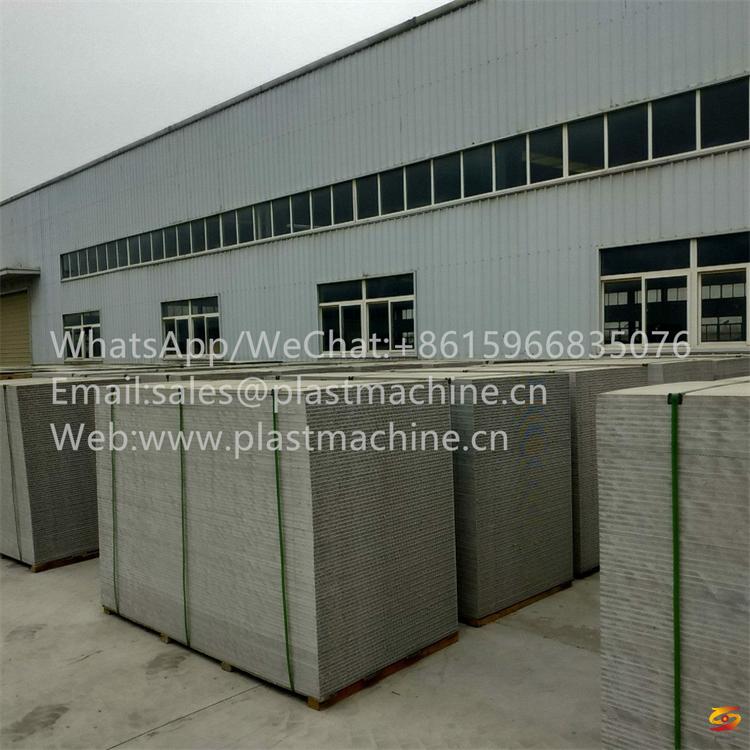
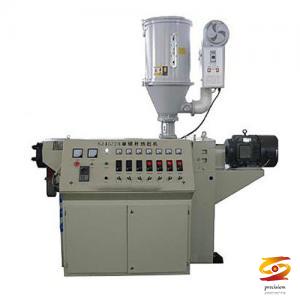
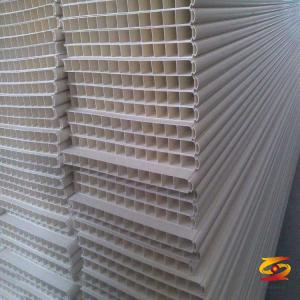
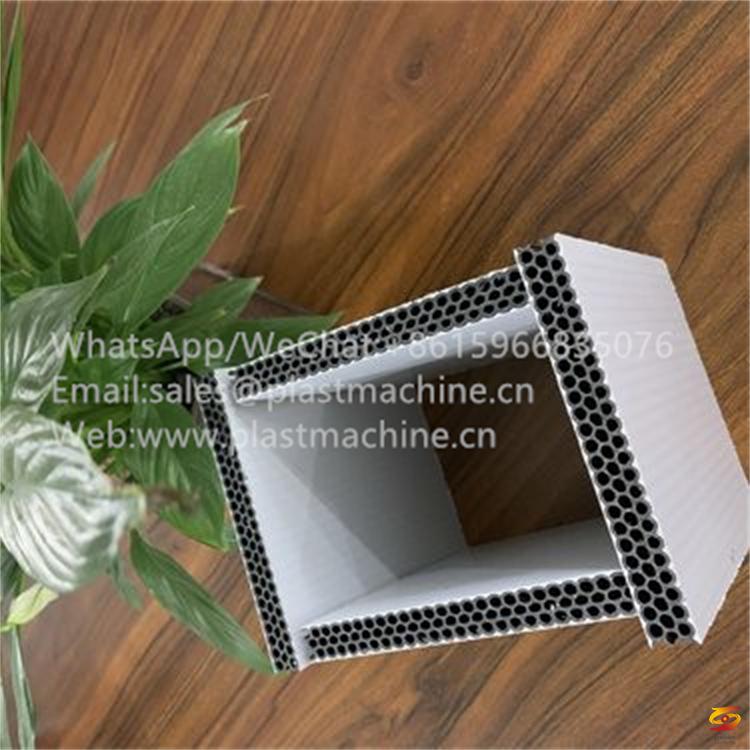
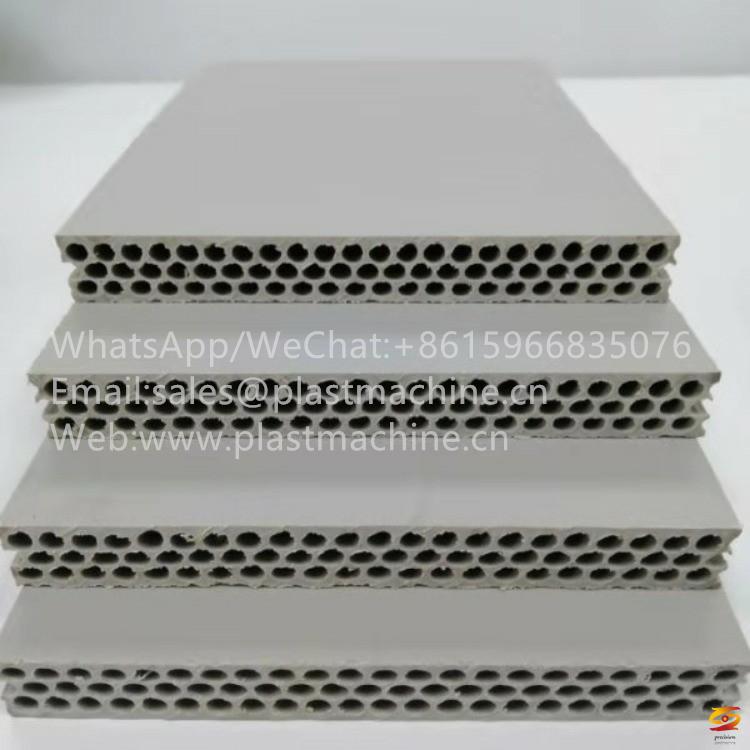
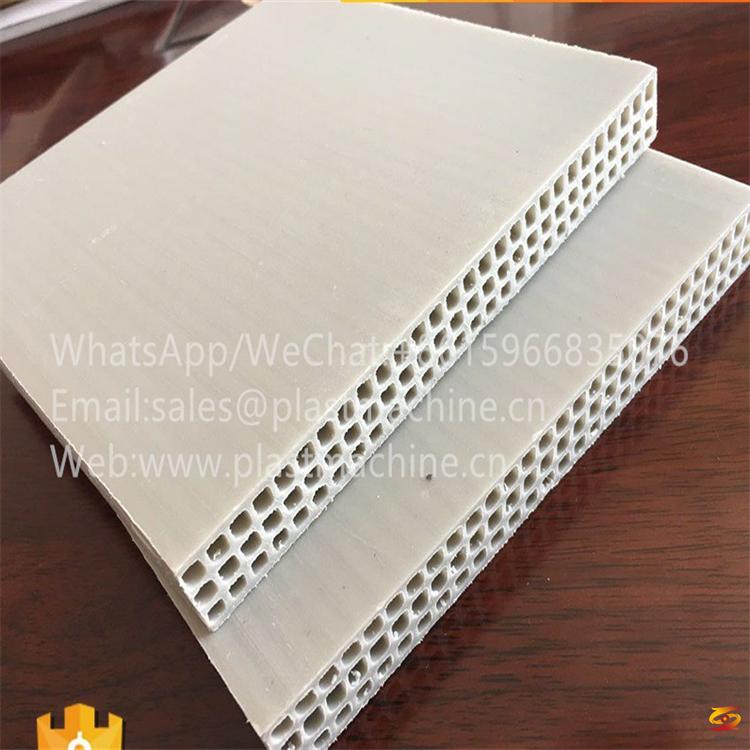
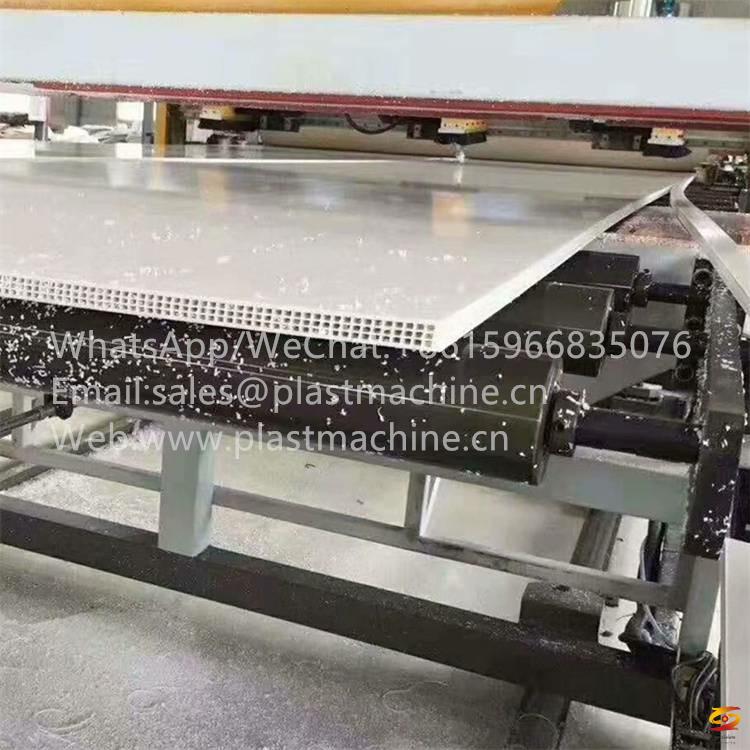
PP hollow formwork is a type of reusable plastic formwork made from polypropylene (PP) using extrusion technology. It features a hollow internal structure that combines strength with lightweight performance.
Key Characteristics:
Made from polypropylene (PP material)
Hollow core design for weight reduction
High strength and durability
Smooth surface for concrete finishing
It is widely used in concrete formwork systems for casting walls, slabs, columns, and foundations.
How Does PP Hollow Formwork Work?
Like all construction formwork systems, PP hollow panels are used as molds to shape fresh concrete until it hardens.
Basic Process:
Install PP formwork panels according to the structure design
Pour concrete into the formwork system
Allow concrete to cure
Remove (demold) the panels for reuse
Because of its smooth and non-stick surface, plastic formwork panels allow easy demolding and reduce the need for additional finishing work.
Key Advantages of PP Hollow Formwork
1. High Reusability and Cost Savings
One of the most important benefits of PP hollow formwork panels is their high reuse rate:
Typically 50–100 cycles
Lower cost per use compared to wood formwork
This makes it an ideal cost-effective formwork solution for large construction projects.
2. Lightweight and Easy to Handle
Compared to traditional materials:
Much lighter than steel formwork
Easier to transport and install
Reduces labor costs and construction time
This is why lightweight plastic formwork is increasingly popular in developing markets.
3. Waterproof and Corrosion Resistant
Unlike timber and steel:
100% waterproof formwork
No swelling, rotting, or rust
Suitable for humid and rainy environments
This makes PP plastic formwork panels highly durable in challenging conditions.
4. Smooth Concrete Finish
The surface of polypropylene formwork panels is smooth and non-porous:
Produces high-quality concrete surfaces
Reduces or eliminates plastering work
Improves overall construction efficiency
5. Eco-Friendly and Recyclable
With growing focus on sustainability:
PP material is recyclable
Reduces reliance on wood (less deforestation)
Supports green building practices
This makes eco-friendly plastic formwork a future-oriented solution.
PP Hollow Formwork vs Traditional Formwork Materials
1. Plastic Formwork vs Wood Formwork
Wood absorbs water and deforms easily
Low reuse (typically 5–10 times)
High waste generation
PP hollow formwork offers longer lifespan and better durability
2. Plastic Formwork vs Steel Formwork
Steel is heavy and prone to rust
Higher transportation and labor costs
PP formwork is lightweight, rust-free, and easier to use
3. PP Formwork vs PVC Formwork
PVC can become brittle over time
Lower impact resistance
PP hollow plastic formwork provides better strength and longer service life
Applications of PP Hollow Formwork
PP hollow construction formwork is widely used in:
Residential construction
Commercial buildings
Infrastructure projects
Bridges and tunnels
High-rise buildings
Typical Uses:
Wall formwork
Slab formwork
Column formwork
Foundation systems
Why is PP Hollow Formwork Becoming More Popular?
Several global trends are driving the adoption of plastic formwork systems:
Rising labor costs
Demand for reusable construction materials
Environmental regulations
Need for faster construction cycles
As a result, PP hollow formwork suppliers and manufacturers are expanding rapidly worldwide.
Future Trends of PP Hollow Formwork
1. Replacement of Traditional Timber Formwork
Due to environmental concerns, plastic formwork is expected to gradually replace wood.
2. Growth in Emerging Markets
Regions such as Southeast Asia, Africa, and the Middle East are key growth areas.
3. Material Innovation
Future developments include:
Higher impact-resistant PP materials
Improved structural design
Longer service life
4. Integration with Sustainable Construction
Reusable plastic formwork systems will play a major role in reducing construction waste and carbon emissions.
Conclusion
PP hollow formwork is transforming the construction industry by offering a durable, reusable, and eco-friendly alternative to traditional materials.
With advantages such as:
High reuse cycles
Lightweight structure
Waterproof performance
Smooth concrete finish
it is becoming one of the most promising construction formwork solutions worldwide.