PP Hollow Formwork: The Future of Construction Formwork Systems
Introduction: The Evolution of Construction Formwork Materials
In modern construction, the choice of formwork materials plays a crucial role in determining project efficiency, cost control, and environmental impact. Traditional materials such as wood formwork, steel formwork, and PVC formwork have long dominated the industry. However, with increasing demand for durability, sustainability, and cost-effectiveness, PP hollow formwork (polypropylene hollow plastic formwork) is rapidly emerging as a superior alternative.
This article provides a comprehensive overview of the current market status, key advantages, applications, and future trends of PP hollow construction formwork, while comparing it with traditional materials.
Current Market Status of PP Hollow Formwork
The global construction industry is undergoing a transformation driven by:
Rising labor costs
Increasing environmental regulations
Demand for reusable and sustainable materials
As a result, PP hollow formwork panels are gaining popularity in regions such as:
Southeast Asia
Middle East
Africa
South America
These markets favor lightweight, reusable, and water-resistant plastic formwork systems, making PP hollow formwork a high-growth segment.
What is PP Hollow Formwork?
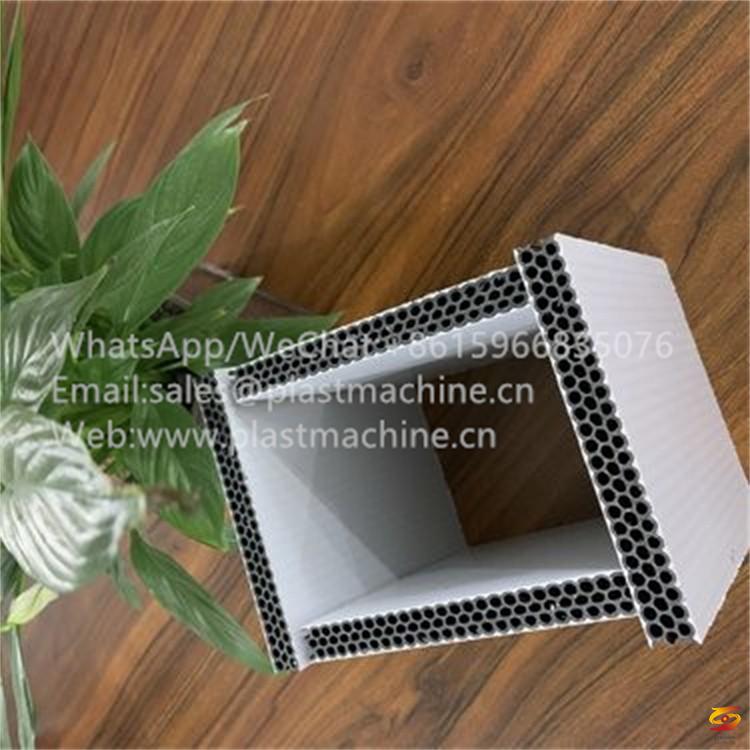
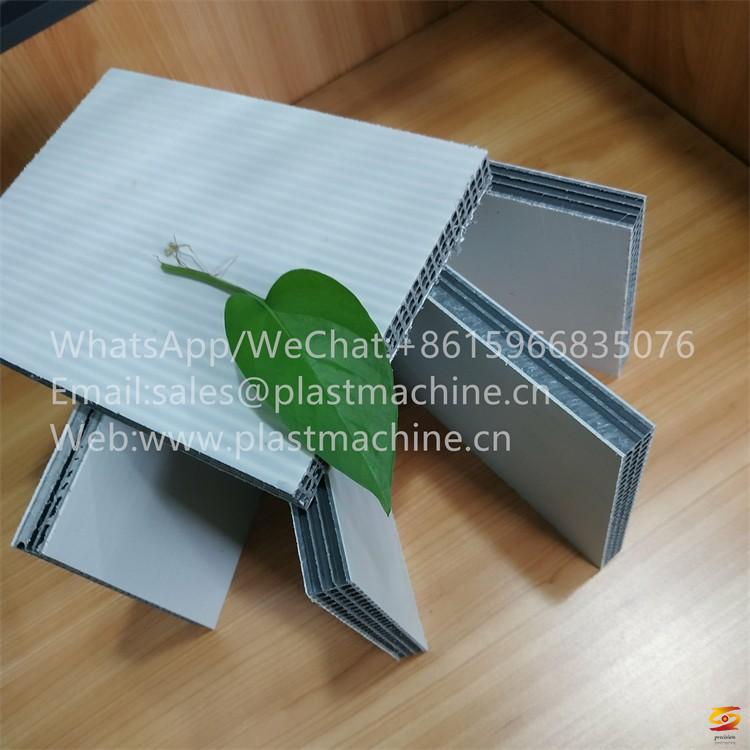
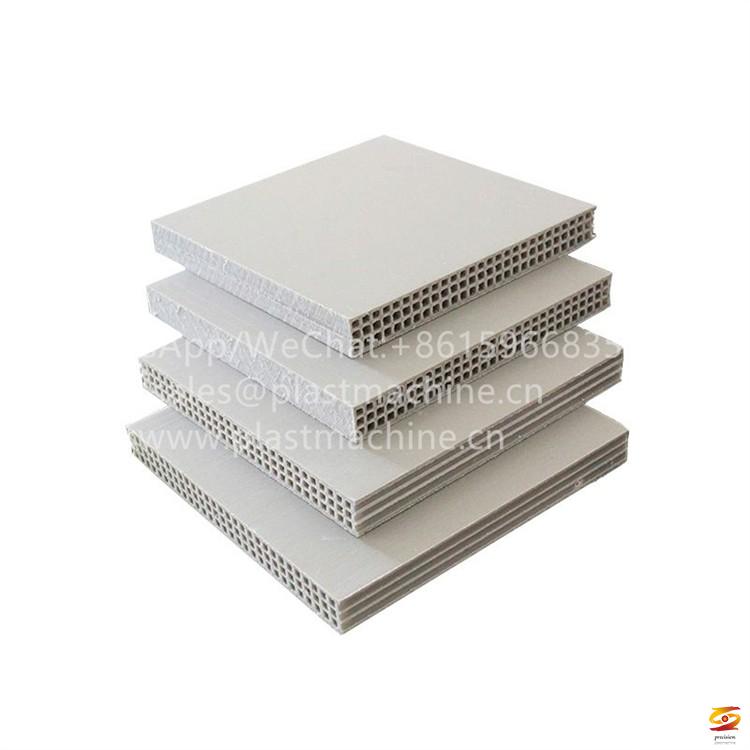
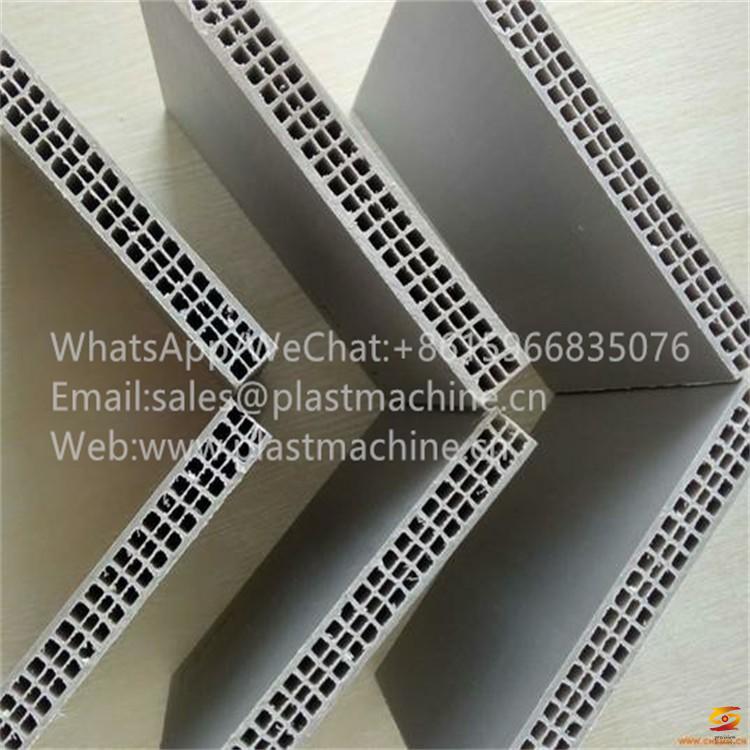
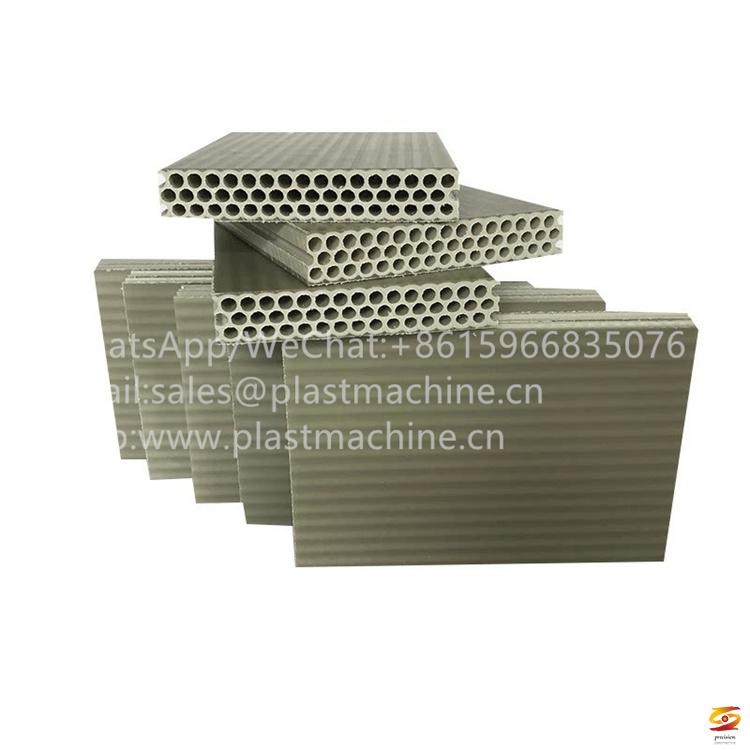
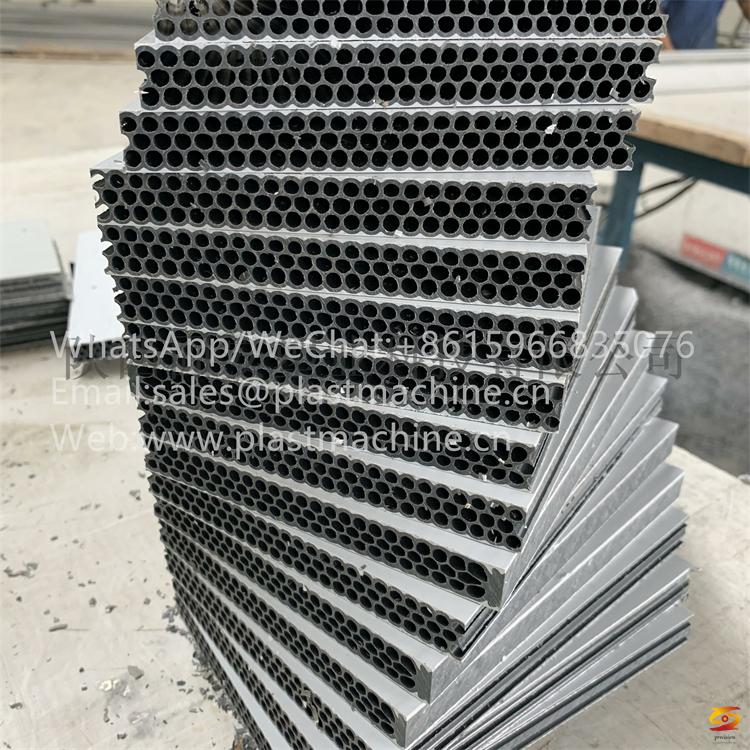
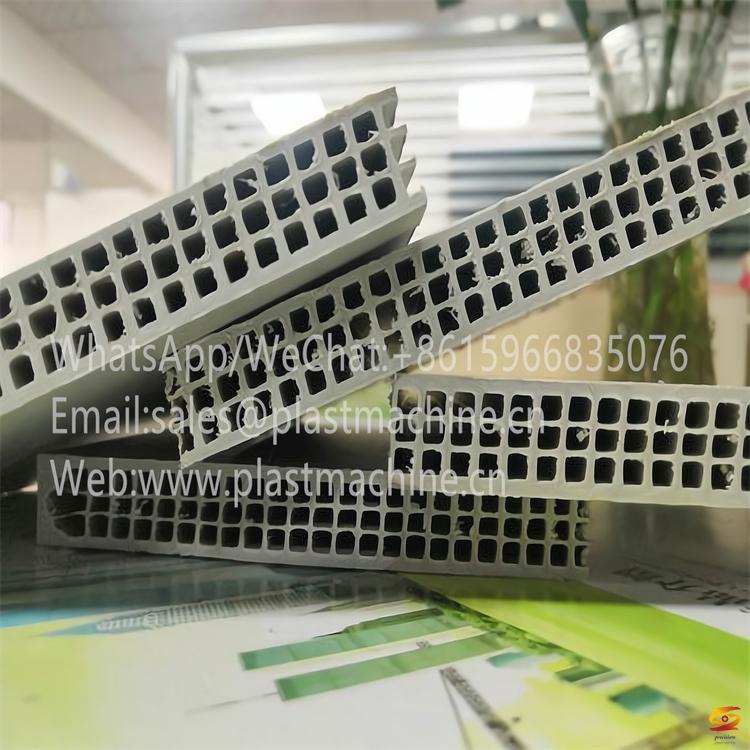
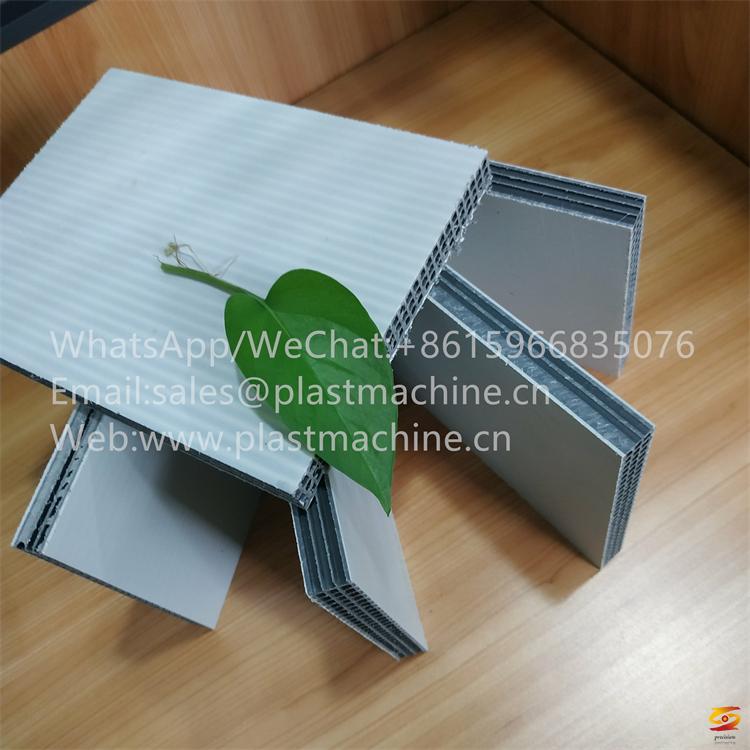
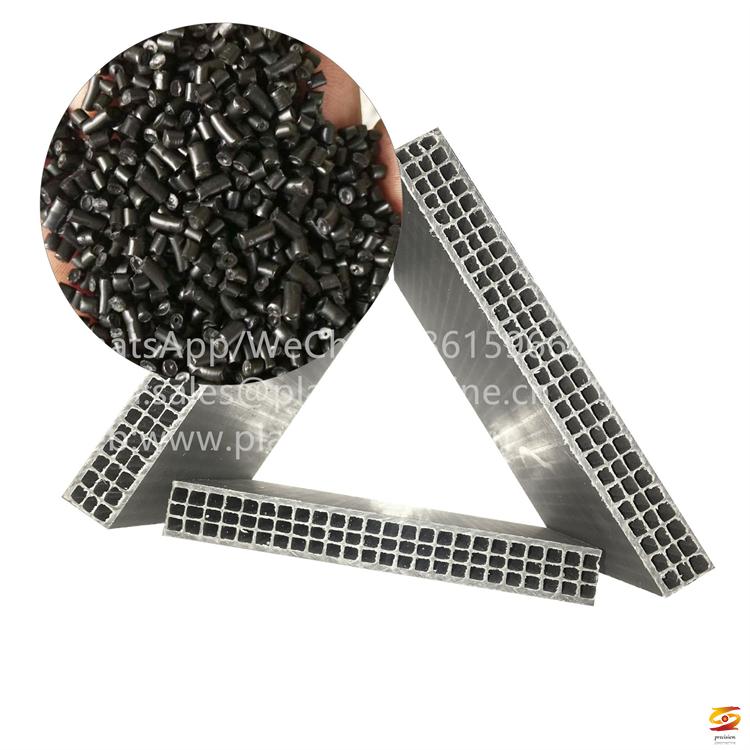
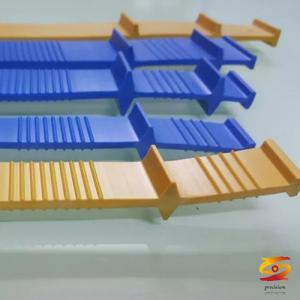
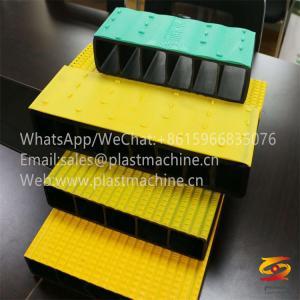
PP hollow formwork is a reusable plastic construction panel made from polypropylene (PP) using extrusion technology. It features a hollow internal structure that provides:
High strength-to-weight ratio
Excellent durability
Easy handling and installation
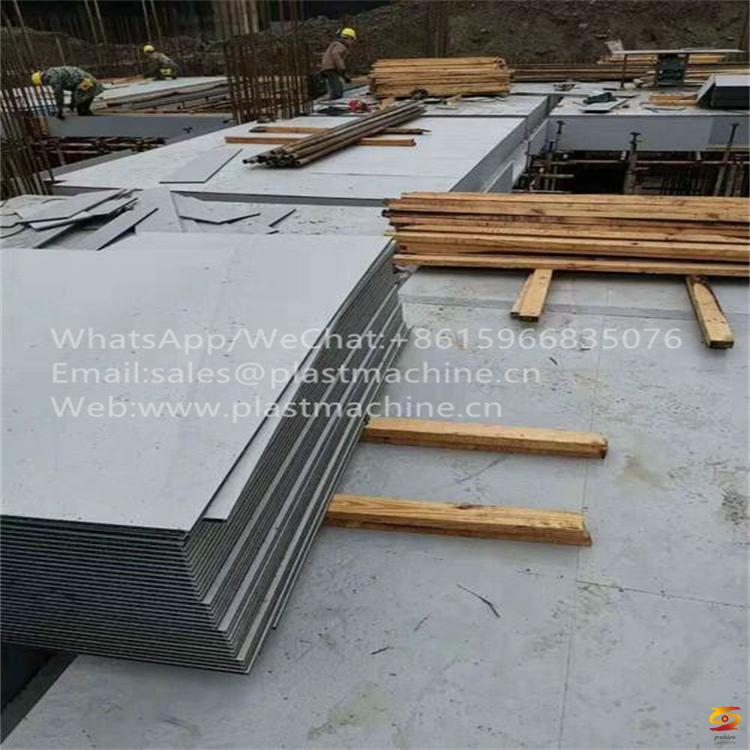
It is widely used in concrete formwork systems for walls, slabs, columns, and foundations.
Key Advantages of PP Hollow Formwork
1. High Reusability (Cost Efficiency)
One of the biggest advantages of PP hollow plastic formwork is its high turnover rate:
Up to 50–100 reuses under proper conditions
Significantly reduces long-term construction costs
Compared to traditional materials, this makes PP formwork an ideal solution for large-scale projects.
2. Waterproof and Corrosion Resistant
Unlike wood and steel:
100% waterproof
Resistant to chemicals and corrosion
No swelling, deformation, or rust
This makes it perfect for humid and coastal environments.
3. Lightweight and Easy Handling
PP hollow formwork panels are:
Much lighter than steel formwork
Easier to transport and install
Reduce labor intensity and time
This improves overall construction efficiency.
4. Smooth Surface Finish (No Plastering Required)
The smooth surface of PP panels provides:
Excellent concrete finish
Reduced need for secondary plastering
Lower finishing costs
Ideal for high-quality concrete surface projects.
5. Eco-Friendly and Recyclable
Made from recyclable polypropylene material
Reduces timber consumption
Supports green building initiatives
This aligns with global sustainability goals.
Comparison: PP Hollow Formwork vs Traditional Materials
1. PP Formwork vs Wood Formwork
Feature: PP Hollow Formwork Wood Formwork
Reusability: 50–100 times 5–10 times
Water Resistance :Excellent Poor
Surface Finish: Smooth Rough
Environmental Impact: Recyclable Deforestation
Conclusion: PP formwork is more durable and eco-friendly.
2. PP Formwork vs Steel Formwork
Feature: PP Hollow Formwork Steel Formwork
Weight: Lightweight Heavy
Corrosion: No rust Rust-prone
Handling: Easy Difficult
Cost: Lower overall High initial cost
Conclusion: PP formwork offers better usability and lower lifecycle cost.
3. PP Formwork vs PVC Formwork
Feature : PP Hollow Formwork PVC Formwork
Strength: High Medium
Heat Resistance: Better Lower
Impact Resistance: Strong Brittle over time
Lifespan: Longer Shorter
Conclusion: PP formwork provides better durability and structural performance.
Applications of PP Hollow Construction Formwork
PP hollow formwork panels are widely used in:
Residential buildings
Commercial construction
Infrastructure projects
Bridges and tunnels
High-rise structures
Typical applications include:
Wall formwork systems
Slab formwork
Column formwork
Foundation casting
Future Development Trends of PP Hollow Formwork
1. Replacement of Traditional Materials
With stricter environmental policies:
PP formwork is expected to replace wood formwork globally
2. Increased Adoption in Emerging Markets
Developing countries will continue to adopt:
Reusable plastic formwork systems
Cost-efficient construction solutions
3. Technological Innovation
Future improvements include:
Enhanced impact-resistant PP materials
Optimized hollow structure design
Improved surface coating technology
4. Integration with Green Construction
PP hollow formwork will play a key role in:
Sustainable construction
Carbon reduction strategies
Circular economy systems
Conclusion
PP hollow formwork represents a significant advancement in modern construction materials. Compared to wood, steel, and PVC formwork, it offers:
As the global construction industry continues to evolve, PP hollow plastic formwork panels are set to become a mainstream solution for efficient and eco-friendly building projects.